
Tether Expands South Korea Trademark Filings As Stablecoin Rules Take Shape

Tether’s latest move in South Korea goes beyond protecting a product name. The company behind the world’s largest stablecoin filed seven trademark applications with the Korea Intellectual Property Rights Information Service on May 19, covering not just its tokens but its company name, official logo, and gold-backed asset Tether Gold, known as XAUT.

A Shift In Strategy

That’s a departure from how Tether has approached South Korea before. Earlier filings were limited to stablecoin product names. Covering the broader brand signals something bigger — a possible push toward establishing an actual business presence in the country, not just protecting a label.

Timing is everything here. South Korea is in the middle of drafting new rules under the second phase of its Digital Asset Basic Act.

One proposal under discussion would require foreign stablecoin companies to set up a local branch before they can legally offer their tokens to South Korean users.
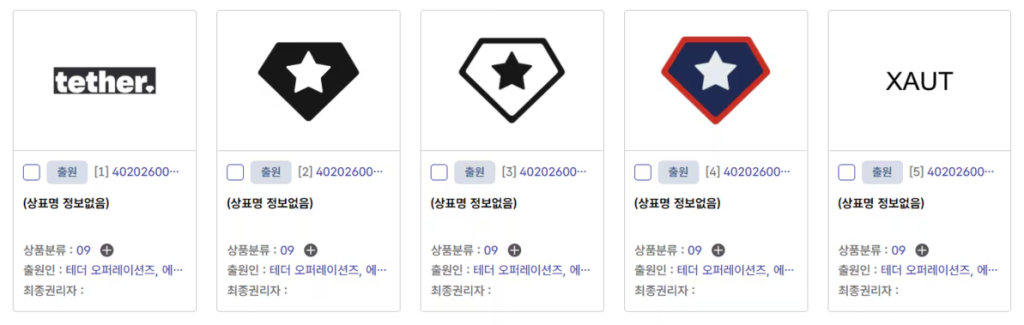
Tether’s trademark filings, some observers say, look like early preparation for that kind of requirement.

South Korea is not a small market. The country has one of the most active retail crypto trading populations in the world, which makes it a place no major stablecoin issuer can afford to ignore.

Circle Already Has A Head Start

Tether is not alone in moving on South Korea. Circle, the company behind USDC, filed 11 local trademarks last year and has already seen results — USDC’s market share in the country grew by 10%.

Tether now has seven active trademarks in South Korea, a number that has been growing as competition between the two stablecoin giants heats up.

Earlier this year, Circle CEO Jeremy Allaire traveled to South Korea and held meetings with major banks and crypto exchanges, exploring possible partnerships.

That kind of ground-level relationship building puts Circle ahead in terms of local ties, at least for now.

Payments, Not Just Trading

The trademark filings also fit into a wider ambition Tether has for South Korea. The country runs a significant export economy, and businesses there regularly move money across borders.

Tether sees that as an opening. Using blockchain-based payments instead of traditional bank transfers through systems like SWIFT could offer faster, cheaper transactions for South Korean exporters.

That vision — stablecoins as a real payment tool, not just a trading instrument — reflects where the bigger competition between Tether and Circle may eventually play out, well beyond crypto exchanges and into mainstream finance.

Featured image from Unsplash, chart from TradingView


from Bitcoinist.com https://ift.tt/nGHIlgU

Comments

Popular posts from this blog

Bitcoin Goes Official: Texas Becomes 1st US State With BTC Reserve

Everything is big in Texas, many would say. Today, the state is looking past its current state of finances by adding Bitcoin to its coffers–and making things bigger in terms of its economic implications. Texas became the first US state to establish a crypto reserve . On March 7, 2025, legislators passed Senate Bill 21, which gives the green light to the state to direct public funds toward Bitcoin and other digital assets. The action has elicited both support and concern, with some viewing it as a prudent financial hedge and others warning of potential pitfalls. A Push For Bitcoin In The Lone Star State For months, Texas has been seeing increasing favor for the idea of a Bitcoin reserve. Senator Charles Schwertner introduced SB 778, a measure that proposes establishing a strategic stockpile. Including the top crypto asset into the state’s financial reserves was meant to help cushion inflation and economic uncertainty. Texas officials, especially Lieutenant Governor Dan Patrick, wh...

Liczba milionerów kryptowalutowych wzrosła o 40%. Rynek przekracza 3,3 biliona dolarów

Rozwój rynku kryptowalut widać również bo liczbie osób, których portfel kryptowalutowy przekroczył milion dolarów. Według najnowszego raportu Henley & Partners, liczba inwestorów posiadających majątek przekraczający milion dolarów w cyfrowych aktywach wzrosła o 40% w ciągu ostatniego roku. Aktualnie na świecie jest już 241 700 milionerów, jeśli chodzi o waluty cyfrowe. Wzrost ten zbiegł się z historycznym momentem, gdyż w połowie 2025 roku kapitalizacja całego rynku kryptowalut przekroczyła 3,3 biliona dolarów . Bitcoin wciąż liderem wzrostów Największy udział w tworzeniu nowych fortun ma niezmiennie Bitcoin. Liczba posiadaczy portfeli BTC, których wartość przekracza milion dolarów, wzrosła aż o 70% rok do roku i wynosi dziś 145 100 . Jeszcze bardziej imponująco wygląda grupa tzw. Centymilionerów, czyli inwestorów posiadających ponad 100 milionów dolarów w Bitcoinie. Ich liczba wzrosła o 63% , osiągając poziom 254 osób. Co więcej, liczba miliarderów BTC podskoczyła do 17, notu...

Slow And Steady Wins? Bitcoin To Hit $1M Via ‘Pump’ And ‘Consolidate’ Pattern: Expert

The bull cycle was deemed over when the price of Bitcoin tragically fell toward $75,000 earlier in March 2025. Having notched an all-time high of above $100,000, most investors feared that the premier cryptocurrency had already reached its top for the current cycle. Contrary to popular belief, the price of Bitcoin has since forged multiple new all-time highs, with the current record high at around $122,800. Interestingly, the now-popular market consensus is that it is only a matter of time before the BTC price reaches a seven-figure valuation. How Will Bitcoin Hit $1 Million In 10 Years? In a recent post on the X platform, Blockware Bitcoin analyst Mitchell Askew has joined a growing list of experts to put forward a $1 million projection for the premier cryptocurrency. According to the analyst, the price of BTC is expected to achieve this major milestone over the next 10 years. What’s interesting is that Askew expects the Bitcoin price to reach a $1 million valuation in the next ...