Crypto Tightrope In Australia — Will A$24B Licensing Push Supercharge Adoption Or Kill Smaller Exchanges?
Australia has passed its first comprehensive digital-asset framework, locking in a licensing regime for crypto platforms and custodians under the existing financial‑services law.
A New Comprehensive Crypto Framework
The Corporations Amendment (Digital Assets Framework) Bill 2025 that passed just today has one key requirement. Now, most centralized exchanges and tokenized custody platforms that hold client assets must obtain an Australian Financial Services Licence (AFSL), coming under ASIC’s full oversight on custody, disclosure, governance, and risk management.
Rather than policing individual crypto assets, the law zeroes in on the intermediaries that hold costumers’ funds, seeking to curb risks such as fund mixing, bankruptcies, and asset abuse that have fueled past crypto blowups.
The law doesn’t just cover spot trading. It carves out two fresh classes of regulated firms: DigitalAssetPlatforms (DAPs) and tokenized custody platforms (TCPs). The legislations subjects them both to the same fundamental rulebook that governs brokers and asset managers. This is key for real‑world asset tokenization and institutional products.
According to the bill itself, businesses will have 18 months to comply with the new licensing and operational standards. The only exemptions are for very small providers with low annual transaction volumes. It is worth noting that this 18-month shift could create temporary friction in on‑ramps, liquidity fragmentation, and higher spreads as platforms rework banking relationships and risk controls.
What This Means For The MarketBringing exchanges and tokenization providers fully under the Corporations Act could finally give TradFi the legal certainty it has been waiting for. With these businesses operating under the same familiar framework that governs traditional securities and managed funds, banks, pension funds, and asset managers gain clearer lines of accountability, standardized disclosures, and enforceable investor protections. That clarity lowers reputational and compliance risk for institutions that have been reluctant to touch digital assets, potentially opening the door to new products, deeper liquidity, and more direct participation in tokenization and crypto markets.
The new legislation, introduced and read for the first time at the ending of November 2025, could unlock up to A$24 billion a year in productivity and efficiencies across the financial sector if tokenization and digital asset infrastructure scale, government‑backed estimates. The now passed bill positions Australia as one of the most proactive jurisdictions in the global race for crypto regulation. This new more EU‑style, MiCA‑like regime competes with hubs such as Singapore and Hong Kong in the race to host compliant digital asset platforms.
Short term, it is safe to expect the possible delistings of niche tokens, tighter onboarding and KYC, and periodic volatility as local liquidity migrates toward fully licensed venues. Medium term, we could see deeper order books on fewer, heavily supervised platforms, more institutional flow, growing tokenization plays, and a clearer split between “regulatory premium” assets and unloved, hard‑to‑list tokens
If the framework lands well, Australia could become a regulated gateway for Asia‑Pacific crypto capital.
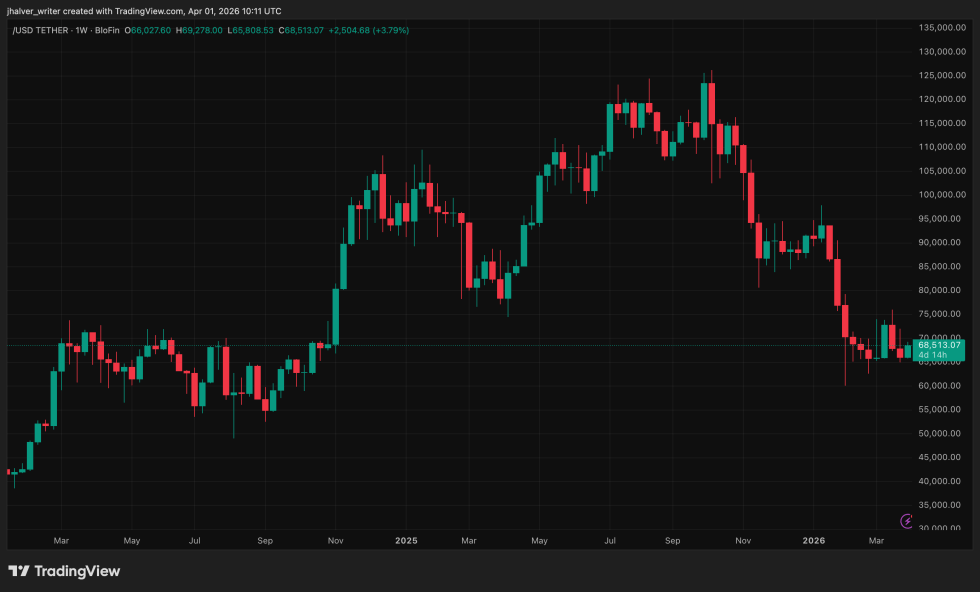
Cover image from Perplexity, BTCUSDT chart from Tradingview
from Bitcoinist.com https://ift.tt/JLO1EZ7
Comments
Post a Comment